Marine Education
From Classroom to Coastline
From Classroom to Coastline
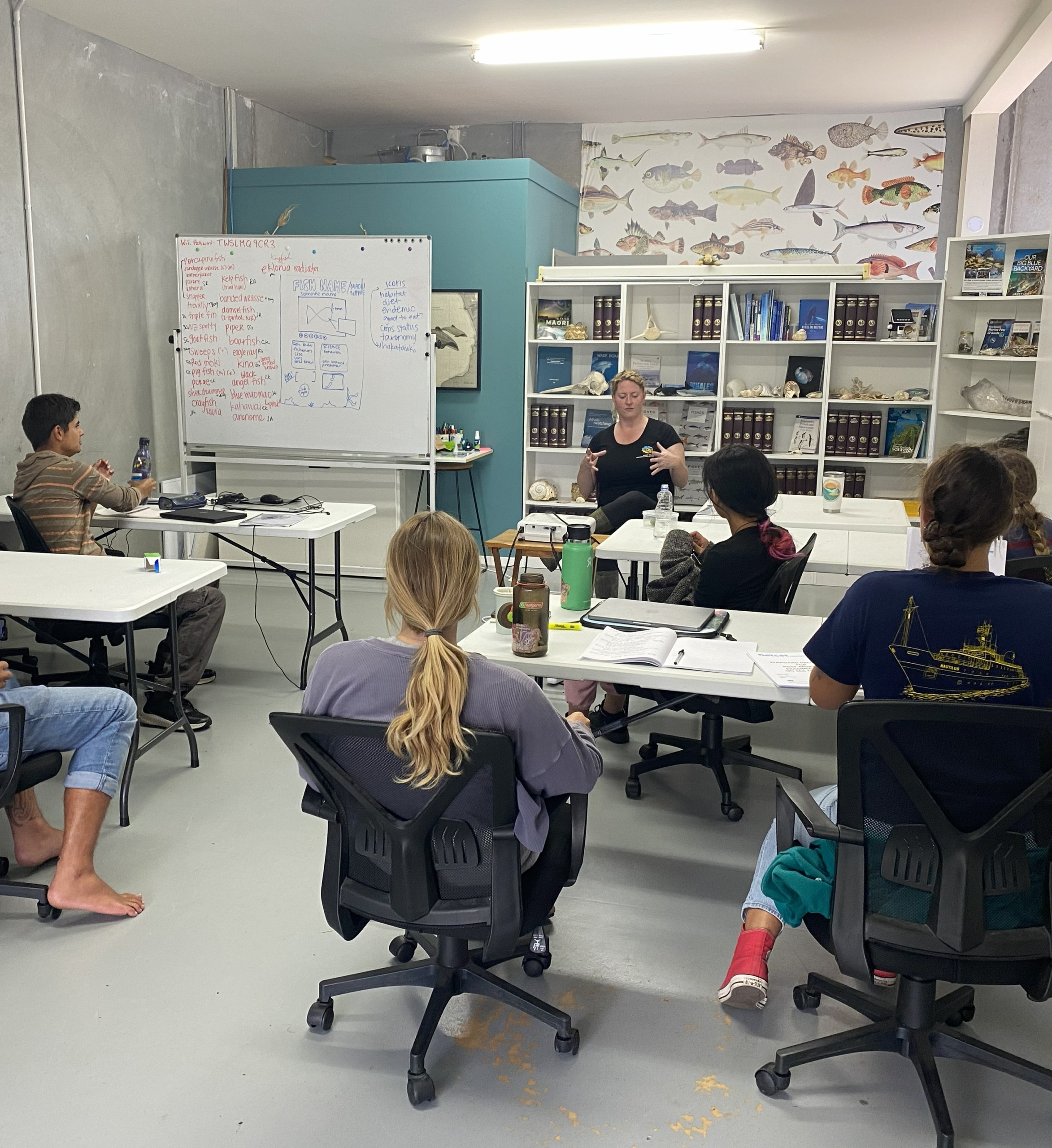
Our education programmes are built around real-world marine science — learning alongside active research projects, building knowledge in the classroom and testing it in the field.
We work in close partnership with local communities and iwi, embedding kaitiakitanga at the heart of everything we teach while giving participants access to professional networks, researchers and conservation practitioners across Aotearoa.
From visiting university field courses to public boat trips and specialist training programmes, our goal is to ensure learning is both grounded in place and connected far beyond it.
Visiting field programmes
15–20 students per intake · Multi-day field programmes · Repeated annual cohorts
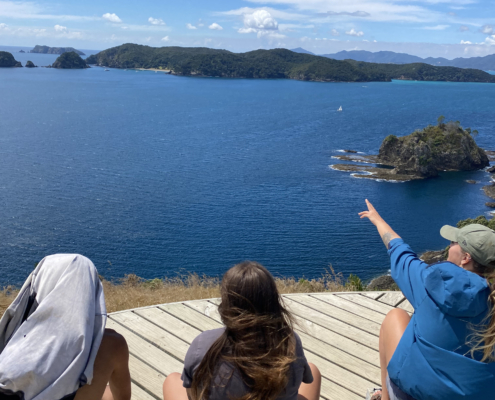
A multi-day field programme that blends environmental science with local cultural knowledge.
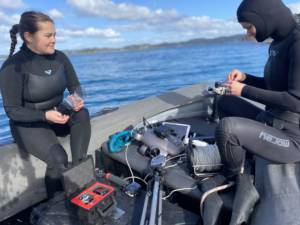
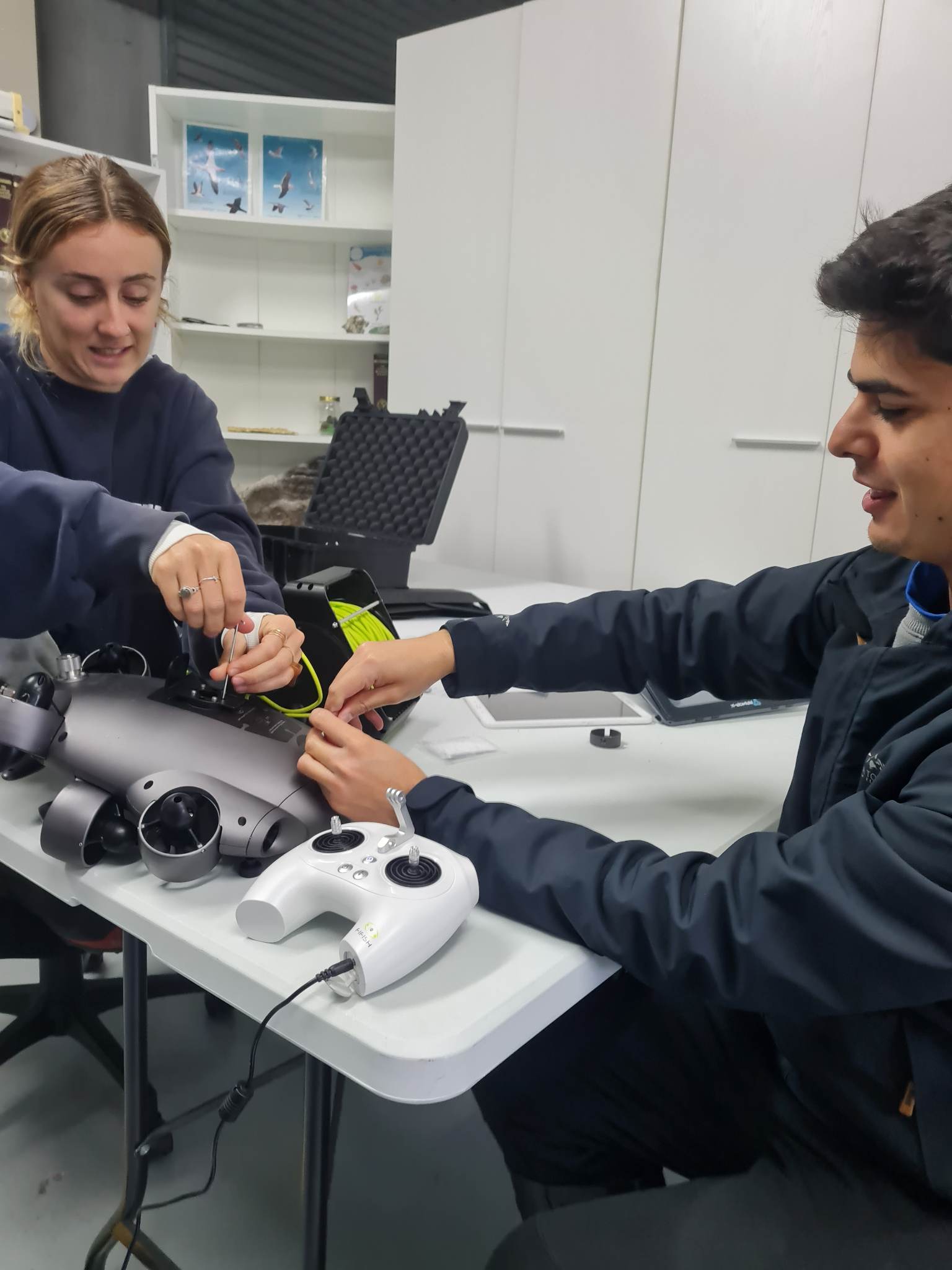
Students are introduced to local tikanga and take part in workshops such as rāranga and rongoā, before heading into the field to design and run monitoring projects — including surveys of kina barrens, species sightings and coastal habitats.
The programme also explores how marine management works in Aotearoa, from rāhui and mātaitai to marine reserves and the Quota Management System. Each visit is adapted to the group’s l
earning goals, and has included everything from ecological monitoring to conservation activities at Aroha Island.
17 students hosted to date · Curriculum-linked placements · Long-term institutional partnerships
We work with tertiary institutions and training organisations to host small cohorts of students undertaking required field placements as part of their formal qualifications.
These partnerships have included international veterinary programmes such as ENVT (France) alongside regional workforce initiatives including Heteri a Nuku, typically working with two students at a time on tailored, high-impact field experiences.
By building long-term relationships with partner organisations, we are able to refine programme design over time — creating placements that meet curriculum requirements while giving students genuine exposure to applied marine research, field operations and conservation delivery.
Employment-focused training programmes
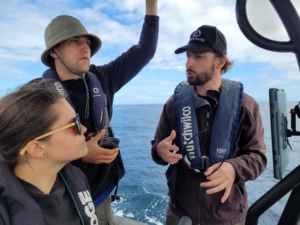 Marine Kaitiaki Programme — “Kick-start your marine career” (2022–2024)
21 graduates · 6-months full time programme · Jobs for Nature funded
A flagship, three-year Jobs for Nature–funded programme delivered with the BOIMMS Rōpū, designed to support rangatahi into marine careers.
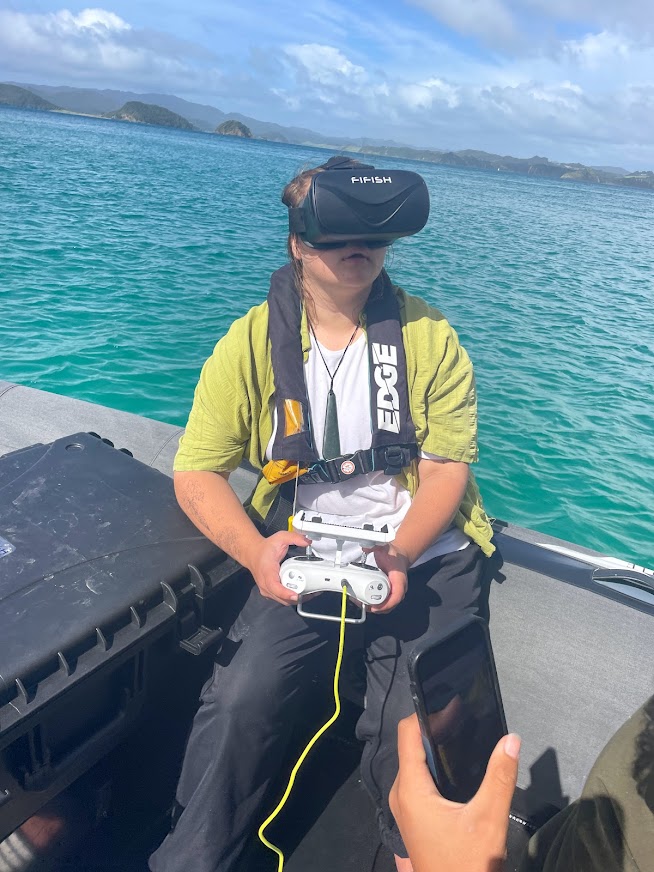
Across the programme, 21 students undertook intensive training covering marine biology, research methods, diving, vessel operations, government processes and mātauranga Māori — alongside real-world field placements.
Participant feedback consistently described the experience as life-changing, with graduates going on to further study and employment across the marine and environmental sectors.
23 graduates · 3 to 6 weeks full-time · Maritime & aquaculture pathways
We delivered three contracted training programmes for the Ministry of Social Development, focused on employment pathways in areas such as commercial skippering, eco-tourism operations and aquaculture.
These courses combined practical qualifications, sea time and industry exposure, helping participants transition into maritime and coastal careers.
Internships & professional placements
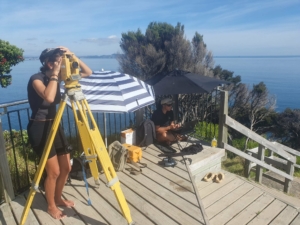 Individual internships & professional placements
1–2 interns at a time · Embedded in live projects · One-to-one mentoring
Alongside structured programmes, we host a small number of individual interns and early-career practitioners at any one time, embedding them directly within our research, vessel operations and education delivery.
Interns take part in the full rhythm of our work — from field surveys and data processing in the office to community events, hui and on-water education.
Because numbers are kept small (typically one or two at a time), placements are highly personal and mentorship-driven, with extensive one-on-one teaching and supervision.
These opportunities are offered when project timing and funding allow.
Alongside our current offerings, we are actively developing new education pathways focused on long-term marine monitoring and flexible training opportunities for local rangatahi and coastal communities.
These initiatives are designed to complement existing conservation programmes, providing ongoing field experience that fits around everyday life rather than requiring full-time study.
We continue to explore funding partnerships to bring these programmes to life in the coming years.